Showing posts with label dew. Show all posts

Thursday, December 29, 2011

Nature Notes/Looking Back


When I look back on 2011 it makes me think about the mental nature notes that I made.... 

What a joy to see these blue-banded bees clustering for the night. Dead or leafless branches of shrubs are where they gather when they call it a day. Surely something I would have missed if I didn't blog!


I had never seen this kind of beetle before and getting a chance to photograph it recently was most satisfying.


The other day on a picnic that we had been to, I was surprised to see that these leaves still held dew. Our temperatures never go below 9* C when it's at its coldest and dew vanishes as soon as the sun is out.


And although I've photographed the Peacock Pansy butterfly several times, I can't resist another shot if it happens to choose to sit on one of my plants!
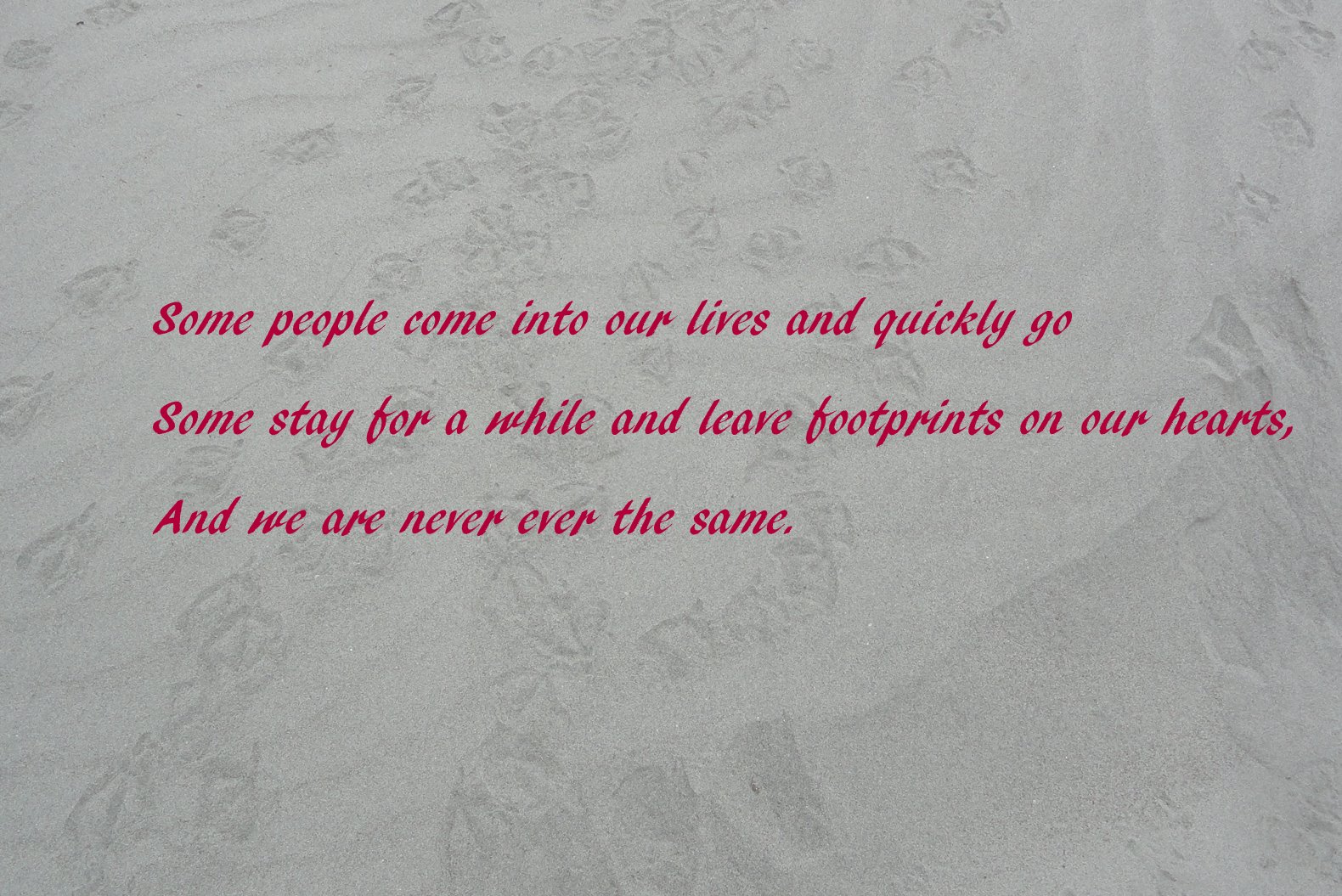


The sandy stretch of the Brahmaputra was filled with the prints of webbed feet. As the year ends I am thankful that I can connect/have connected with so many of my blogging friends. It's such a blessing to belong to this wonderful community. May our tribe increase!


This post is for Michelle's meme Nature Notes.


Tuesday, December 20, 2011

The Cattle Egret


Now that the water in the marshy patch near our house is drying up, the sight of  egrets feeding on the ground will greet us most mornings. Just like dew on the grass and the tomato re-seeders that somehow manage to make their way through the soil at this time of the year, it's a seasonal occurence. For the rest of the year it's as if the egrets understand that they remain in the outskirts of the city where the low-lying rice fields and water bodies with their innumerable flora and fauna provide enough for them. Marshy plots of land near residential areas are to be visited only in December!:) This is the fourth year that I've observed this. Maybe I'd have forgotten the month but for the photos I have taken....

                            
 To peck or not to peck seems to be the question for these birds. In summer the colocasia grows as high as six feet and you can barely see the other side. Swarms of dragonflies hover above them and the bee-eaters and the drongos are always around to feast on them. Families of marsh mongoose are seen scurrying in all that luxuriant growth. Only small clumps of colocasia plants remain at this time of the year. 

Cattle egrets feed on grasshoppers, crickets, flies, moths, spiders, frogs, and earthworms. Wiki says that the cattle egret has attracted many common names. These mostly relate to the habit of following cattle and other large animals, and it is known as cow crane, cow bird, and cow heron, or even elephant bird, and rhinocerous egret. The cattle egret is a popular bird with cattle ranchers for its perceived role as a biocontrol of cattle parasites such as ticks and flies.


Take a look at our feathered friends from around the world by visiting Springman at World Bird Wednesday.


Thank you for taking the time to stop by. May you have a wonderful Christmas!